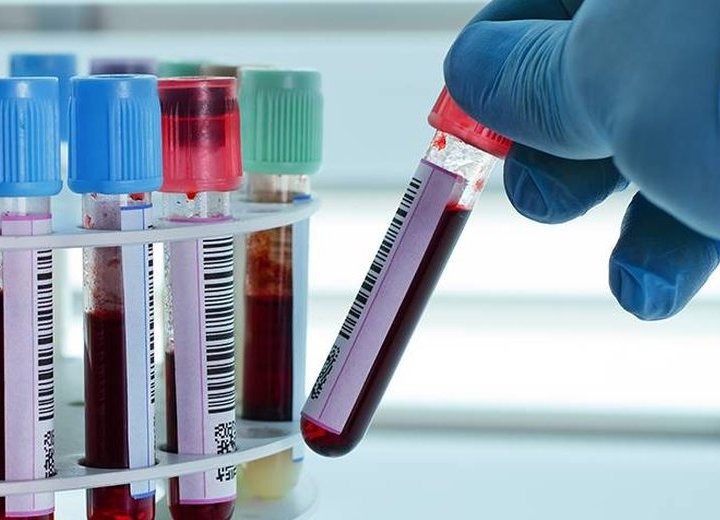
A cholesterol test is one of the most common blood tests adults have, yet many people leave the clinic unsure what their results actually mean. Understanding your report is the first step toward protecting your heart, and the good news is that food and daily habits can make a real difference.
What is cholesterol?
Cholesterol is a waxy substance your body needs to build cells and make hormones. Your liver makes most of it, and the rest comes from food. Problems begin when too much of the wrong kind builds up in the walls of your arteries, narrowing them over time and raising the risk of heart attack and stroke.
Reading your results
- LDL cholesterol: often called the bad cholesterol. Higher levels mean more buildup in the arteries, so lower is usually better.
- HDL cholesterol: the helpful kind. It carries extra cholesterol back to the liver, so higher is generally better.
- Triglycerides: a type of fat in the blood that rises with sugary foods, refined carbohydrates and alcohol.
- Total cholesterol: an overall figure that your doctor reads together with the other results.
Healthy targets depend on your age, family history and other conditions, so we always explain your results in the context of your whole health rather than a single figure on a page.
Foods that help
- Oats, beans and lentils: their soluble fiber helps carry cholesterol out of the body.
- Nuts and seeds: a small handful most days supports healthy levels.
- Olive oil and avocado: swap them in for butter and other solid fats.
- Oily fish: salmon, sardines and trout are good for the heart.
- Plenty of plants: vegetables, fruit and whole grains fill you up and help your heart.
Habits beyond the plate
Regular movement raises helpful HDL and lowers triglycerides. Stopping smoking, keeping alcohol low and managing stress all add up. Some people also need medicine, especially with a strong family history, and that is nothing to feel bad about. We will choose the right option together and review how it is working.
When to get checked
Most adults should have their cholesterol checked regularly, and more often if they have diabetes, high blood pressure, a family history of heart disease or a past result that was borderline. If it has been a while, we can arrange a test and walk you through the results.
This article is general information and not a substitute for personal medical advice.